Archives
- 2026-10
- 2026-09
- 2026-08
- 2026-07
- 2026-06
- 2026-05
- 2026-04
- 2026-03
- 2026-02
- 2026-01
- 2025-12
- 2025-11
- 2025-10
- 2025-09
- 2025-03
- 2025-02
- 2025-01
- 2024-12
- 2024-11
- 2024-10
- 2024-09
- 2024-08
- 2024-07
- 2024-06
- 2024-05
- 2024-04
- 2024-03
- 2024-02
- 2024-01
- 2023-12
- 2023-11
- 2023-10
- 2023-09
- 2023-08
- 2023-07
- 2023-06
- 2023-05
- 2023-04
- 2023-03
- 2023-02
- 2023-01
- 2022-12
- 2022-11
- 2022-10
- 2022-09
- 2022-08
- 2022-07
- 2022-06
- 2022-05
- 2022-04
- 2022-03
- 2022-02
- 2022-01
-
GSK503 sale We confirmed a decrease in extracellular glutama
2022-06-28
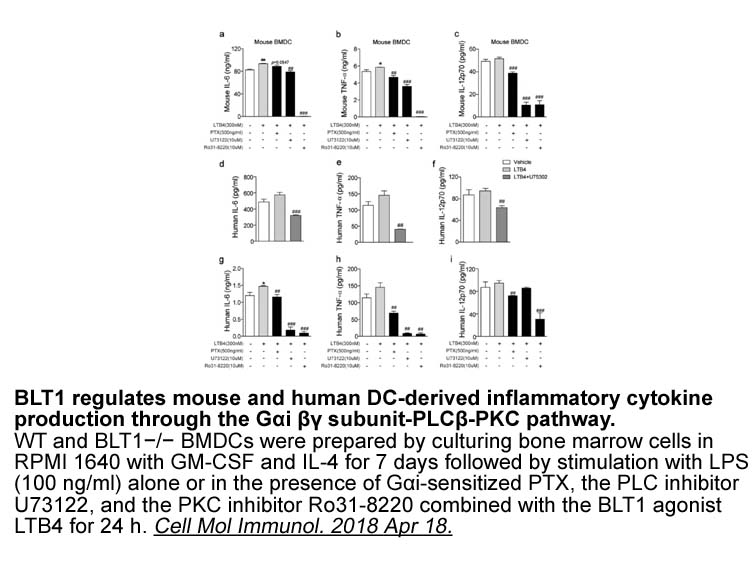
We confirmed a decrease in extracellular glutamate uptake and the presence of efflux in an endothelial cell model of oxygen-glucose deprivation (OGD), which effectively simulates the inefficient energy supply after brain injury [15], and analysed the function of endothelial EAATs and explored the ro
-
The usefulness of GIP R antagonism for the treatment of
2022-06-27
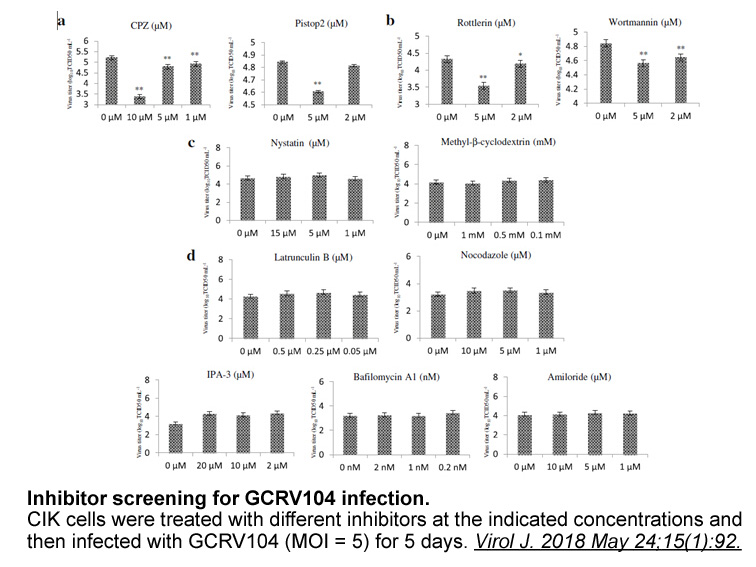
The usefulness of GIP-R antagonism for the treatment of obesity-diabetes has been revealed in numerous studies employing knockout or chemical blockade of GIP-R signalling.*88, 89, *90, 91, 92, 93, 94, 95, 96, *97 For example, sub-chronic daily administration of (Pro3)GIP to ob/ob mice results in sig
-
Although NCT undergoes complex glycosylation processing for
2022-06-27

Although NCT undergoes complex glycosylation processing for maturation through trafficking from endoplasmic reticulum to Golgi or additional compartments, the effect of NCT glycosylation on γ-secretase activity and substrate specificity is still unknown. The present study focused on glycosylation st
-
In this review we will highlight how the functional impact
2022-06-27

In this review we will highlight how the functional impact of GABA receptors activation in thalamic neurons far exceeds the traditional “shunting” effect and shapes the whole thalamic network excitability. We will show how GABA released during either tonic or burst firing of GABAergic thalamic neuro
-
br Competing interests br Authors contributions
2022-06-27
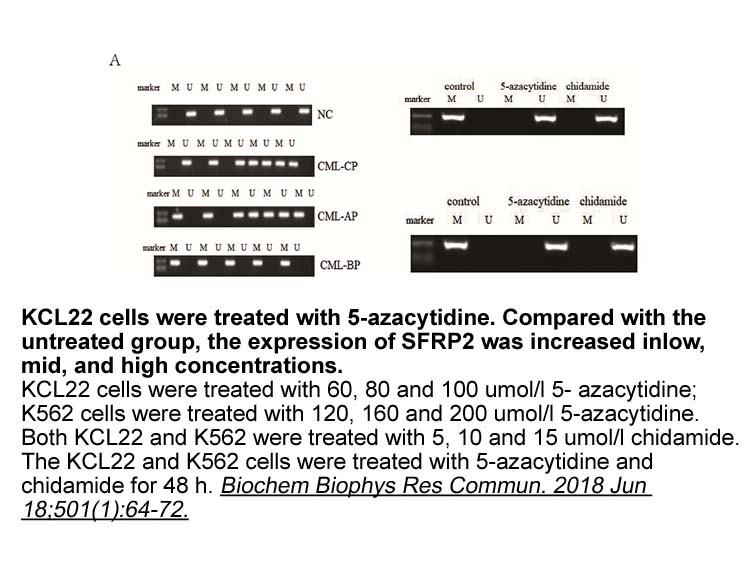
Competing interests Authors contributions Transparency document Introduction Non-alcoholic fatty liver disease (NAFLD) is a spectrum of liver diseases ranging from simple steatosis to non-alcoholic steatohepatitis (NASH), which may further progress to liver cirrhosis and liver carcinoma
-
Several observations about structure activity relationships
2022-06-27
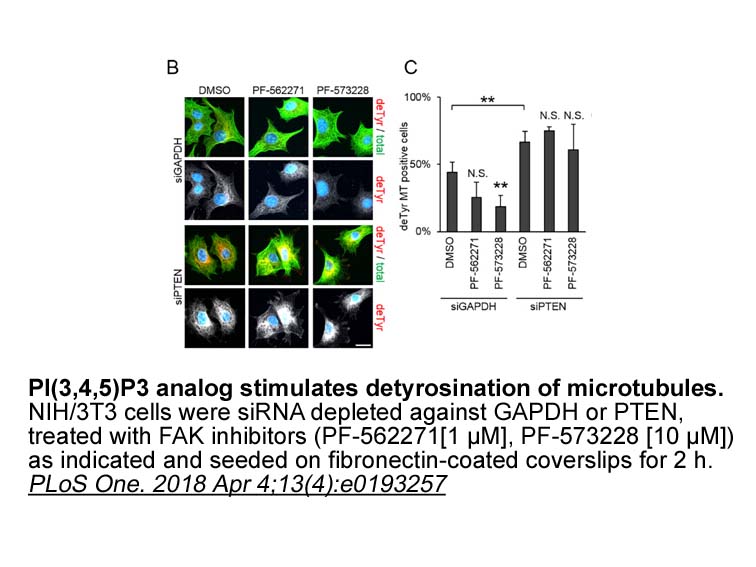
Several observations about structure–activity relationships can be made from this series, including that: (1) all lead compounds are NSAIDs of the 2-arylpropionic Lidocaine class, (2) analogues with -oriented aryl substituents showed the best inhibition of FAAH, and (3) replacing the ether linkage
-
br Conclusion We have demonstrated that ETB receptors negati
2022-06-27
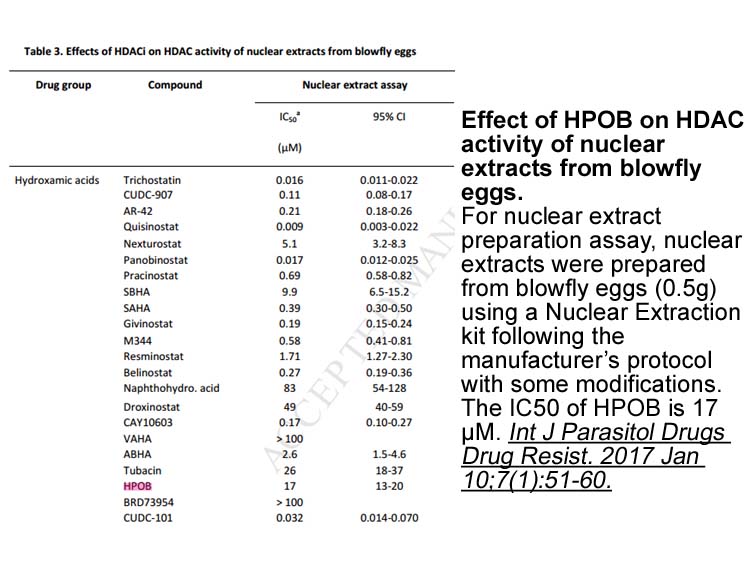
Conclusion We have demonstrated that ETB receptors negatively regulate the expression of AT1 receptors in renal proximal tubule kh7 australia from WKY rats but not in SHRs. Short-term activation of the ETB receptor increases AT1 receptor phosphorylation in WKY cells but decreases it in SHR cells
-
br Introduction Lysine acetylation is an important
2022-06-27
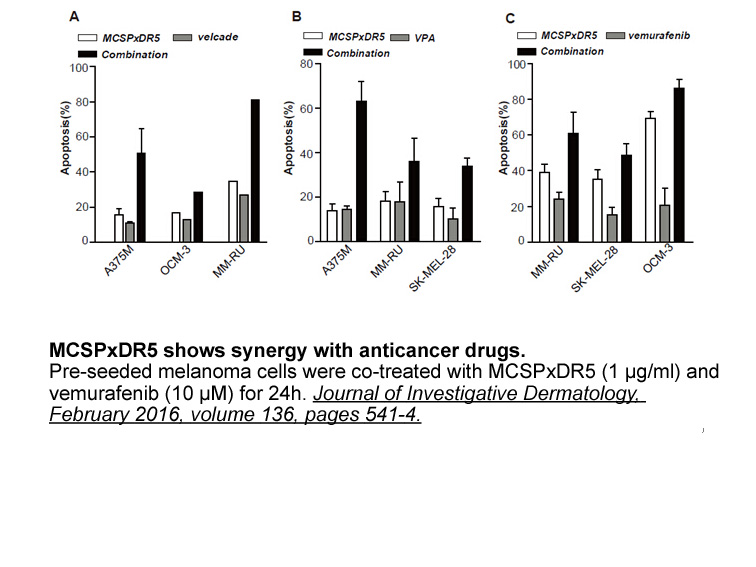
Introduction Lysine acetylation is an important post-translational modification that is found on numerous cellular proteins, including both histone and non-histone proteins [1], [2]. Dynamic acetylation and deacetylation is regulated by enzymes called histone acetyltransferases (HATs) as writers
-
A compound structurally similar to PF has been developed by
2022-06-27
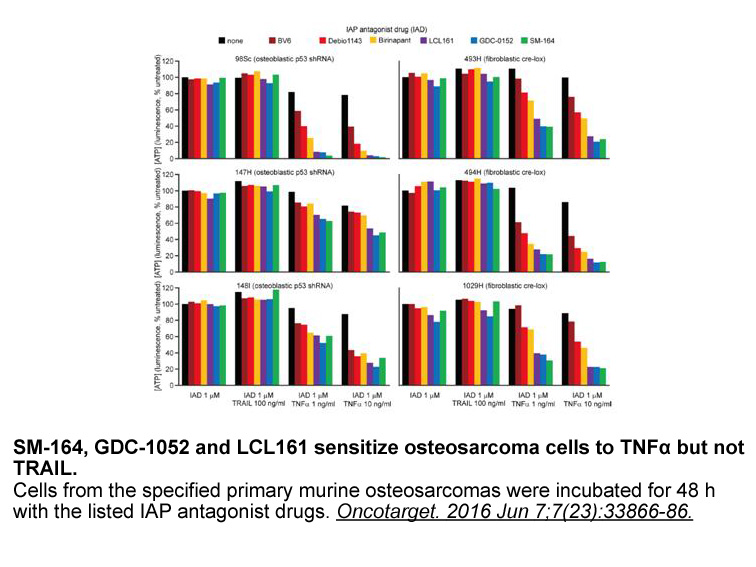
A selective serotonin reuptake inhibitors structurally similar to PF-03654746 has been developed by Pfizer (PF-03654764), with a minor change in the substituent attached to the cyclobutanecarboxamide moiety (Wager et al., 2011). This compound, with the chemical name trans-3-fluoro-3-[3-fluoro-4-(py
-
br Prostaglandins meet Hippo The prostaglandins lie
2022-06-27
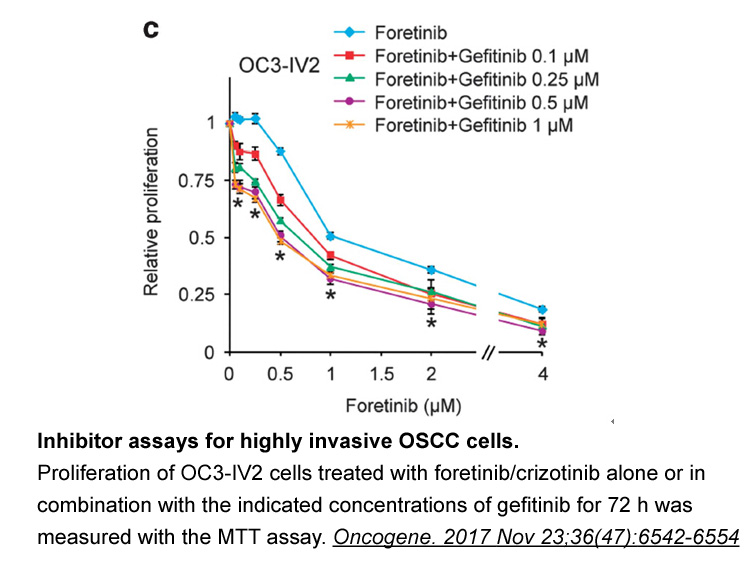
Prostaglandins meet Hippo The prostaglandins lie at the crossroads between inflammation, regeneration and tumorigenesis (Figure 3). Prostaglandins are synthesized from archidonic PF-3758309 australia by Cox1 and Cox2 enzymes [40, 41] and in the gut, prostaglandin E2 (PGE2) protects against DSS-i
-
br Conclusions br Acknowledgements This
2022-06-27
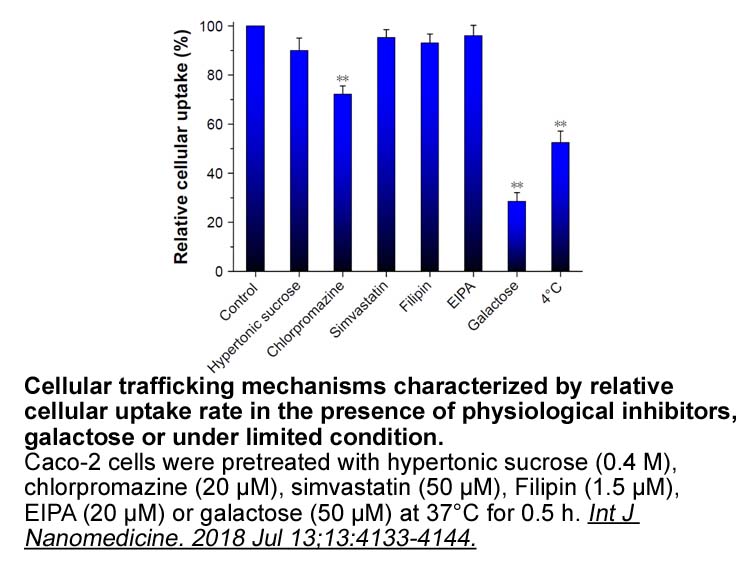
Conclusions Acknowledgements This work was supported by grants from the Polish National Science Center: 2014/14/E/NZ1/00139 (to A. Jazwa-Kusior) and 2015/17/N/NZ1/00041 (to M. Tomczyk) and National Centre for Research and Development (STRATEGMED2/269415/11/NCBR/2015) (to J. Dulak). Faculty of
-
br Ethical approve and consent to participate br Consent
2022-06-27
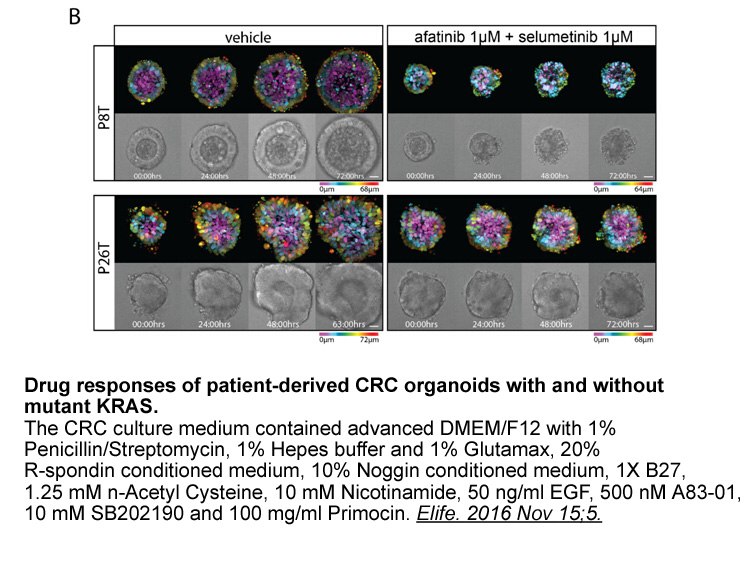
Ethical approve and consent to participate Consent for publication Availability of supporting data Competing interests Funding This work was supported by a grant from Key Program of National Natural Science Foundation of China (No. 81330089) and the Shanghai Science and Technology Fun
-
The CNP pGC B cGMP pathway
2022-06-27
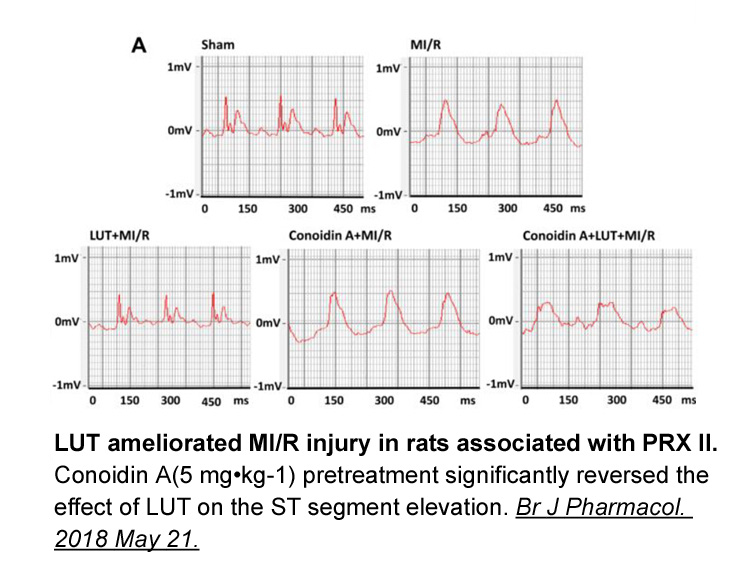
The CNP/pGC-B/cGMP pathway has been reported to be potent inhibitor of fibrosis, from an intrinsic compensatory protective response as well as a therapeutic in cardiorenal injury and disease states [6,12,13,22,30]. Indeed, fibrosis is a progressive process leading to increased risk for morbidity and
-
br Introduction The replacement of a regular intake
2022-06-27
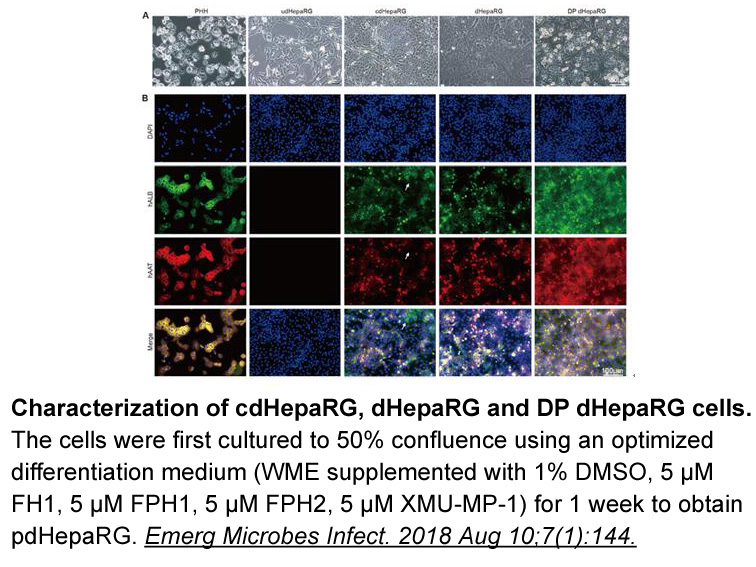
Introduction The replacement of a regular intake of healthy oils and fibres for a diet based substantially on high fat- and high sugar-content foods has had profound consequences for public health. These changes in the way that the populations of high income, particularly Western countries, manag
-
Although EAAT may not be involved
2022-06-24
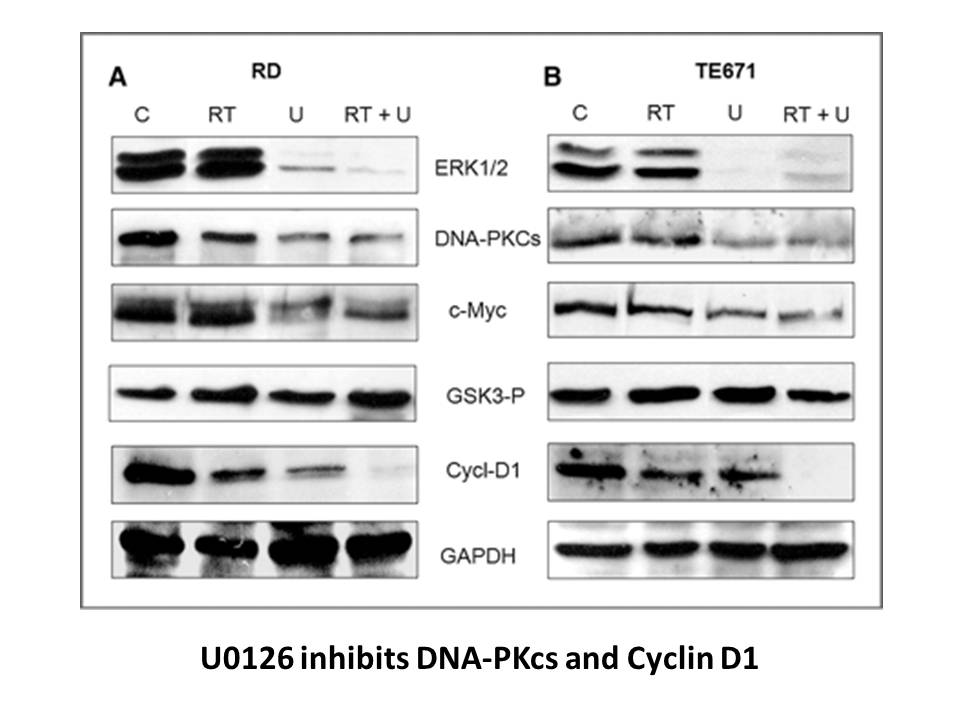
Although EAAT3 may not be involved in the induction of morphine-induced CPP, our results suggest that other EAATs may play a role in the behavior because riluzole, an EAAT activator (Frizzo et al., 2004, Fumagalli et al., 2008), abolished morphine-induced CPP. Consistent with this suggestion, a few
8584 records 469/573 page Previous Next First page 上5页 466467468469470 下5页 Last page