Archives
- 2026-06
- 2026-05
- 2026-04
- 2026-03
- 2026-02
- 2026-01
- 2025-12
- 2025-11
- 2025-10
- 2025-09
- 2025-03
- 2025-02
- 2025-01
- 2024-12
- 2024-11
- 2024-10
- 2024-09
- 2024-08
- 2024-07
- 2024-06
- 2024-05
- 2024-04
- 2024-03
- 2024-02
- 2024-01
- 2023-12
- 2023-11
- 2023-10
- 2023-09
- 2023-08
- 2023-07
- 2023-06
- 2023-05
- 2023-04
- 2023-03
- 2023-02
- 2023-01
- 2022-12
- 2022-11
- 2022-10
- 2022-09
- 2022-08
- 2022-07
- 2022-06
- 2022-05
- 2022-04
- 2022-03
- 2022-02
- 2022-01
- 2021-12
- 2021-11
- 2021-10
- 2021-09
- 2021-08
- 2021-07
- 2021-06
- 2021-05
- 2021-04
- 2021-03
- 2021-02
- 2021-01
- 2020-12
- 2020-11
- 2020-10
- 2020-09
- 2020-08
- 2020-07
- 2020-06
- 2020-05
- 2020-04
- 2020-03
- 2020-02
- 2020-01
- 2019-12
- 2019-11
- 2019-10
- 2019-09
- 2019-08
- 2019-07
- 2019-06
- 2019-05
- 2019-04
- 2018-07
-
In contrast to inflammatory cytokines
2019-10-04
In contrast to inflammatory cytokines, TGF-β has immunosuppressive properties yet is also important for tissue imprinting immune cell function during development [23]. Salivary gland (SG) ILCs, in addition to liver and intestinal intraepithelial ILC1, express markers denoting tissue residency and TG
-
It is also critical that APC
2019-10-04
It is also critical that APC/CCDC20 is inhibited by MCC during the spindle assembly checkpoint, prior to correct chromosome alignment on the mitotic spindle (Box 1, reviewed in 13, 34). As proposed in [13] and demonstrated in [82], human MCC is a heterotetrameric complex consisting of its own molecu
-
More recently Boskovic et al have visually
2019-10-03

More recently, Boskovic et al. (2003) have visually corroborated that purified DNA-PKcs can bind short DNA fragments by using single particle EM. DNA biotinylated at the 5′ end was labelled by coupling to commercial streptavidin–gold particles (Fig. 4D). When analysed in the microscope, DNA-PKcs mol
-
br Introduction Identification and correct storage of semina
2019-10-03
Introduction Identification and correct storage of seminal stains are crucial for the investigation of sexual assault cases. Actually, undetected ‘cold’ cases involving sexual assault can be solved decades after investigations analysing DNA from stored evidences [1]. Recently, STR analysis and th
-
Recent studies have shown arsenic could cause autophagic cel
2019-10-03

Recent studies have shown arsenic could cause autophagic cell death in malignant cells, including leukemia and malignant glioma er alpha kinase [16], [17]. However, at present, little is known about the consequences of arsenic-treated urothelial cells in autophagy and expression of its related prot
-
Inflammation is critical in the pathobiology of
2019-10-02
Inflammation is critical in the pathobiology of atherosclerosis. The inflammatory mediators impacted by FBXO3 described herein i.e. NF-κB, IL-1β, and TNF-α, and IL-8 have purported causal roles in atherosclerosis. For example, NF-κB activation is increased in mononuclear cells in human plaques [29]
-
A growing number of other post translational modifications a
2019-10-02
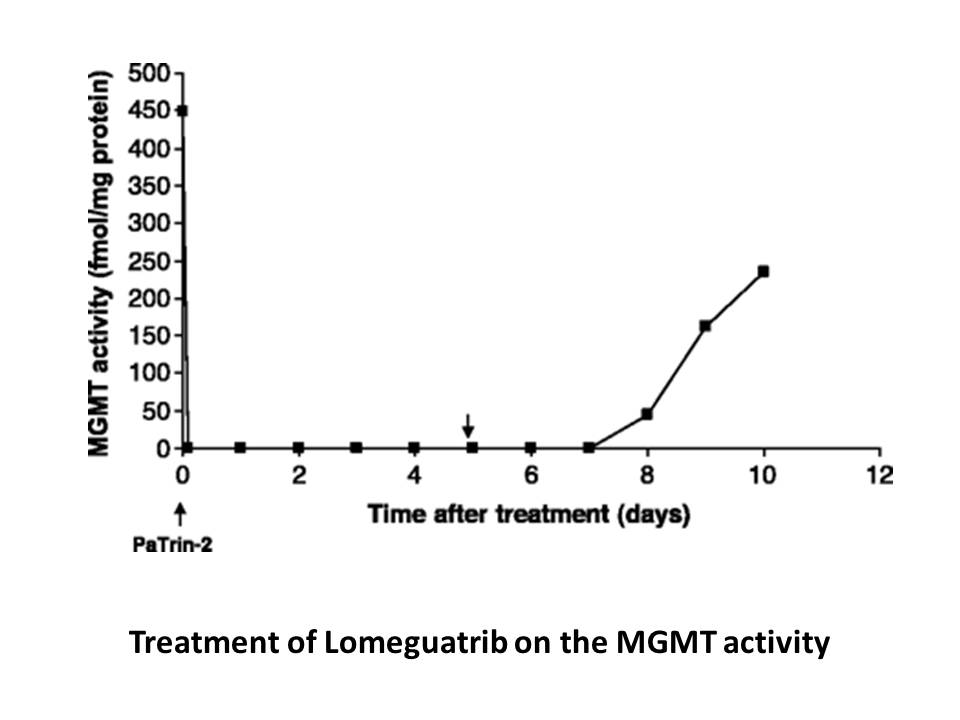
A growing number of other post-translational modifications are implicated in regulation of the ubiquitin system, including substrate modification by hydroxylation, glycosylation, acetylation, methylation, modification by poly(ADP-ribose) (PAR), and attachment of ubiquitin-like modifiers. The HIF1-α
-
Taken together these assays demonstrate that SUMOD positioni
2019-10-02
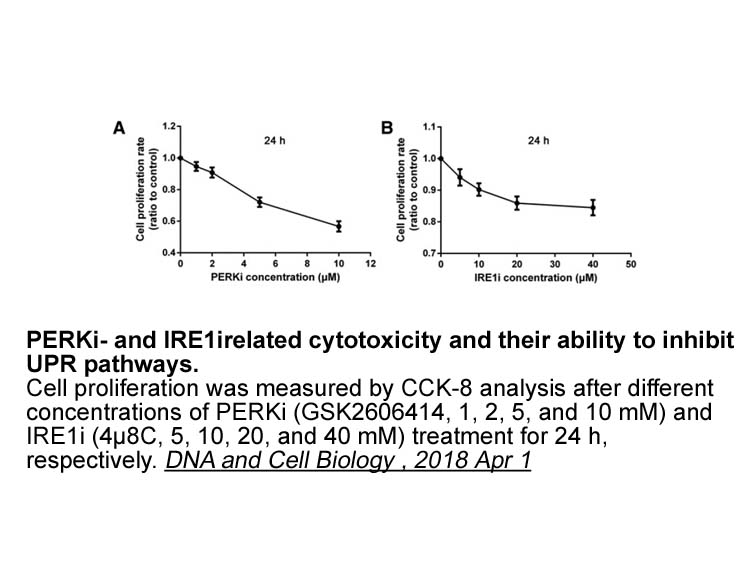
Taken together, these assays demonstrate that SUMOD positioning is essential for all E3 ligases but dispensable for E2 and S*E2 sumoylation reactions. Thus, we propose SUMOD positioning as a key criterion to describe the enzymatic function of SUMO E3 ligases that distinguishes them from other enhanc
-
Altogether these data suggested that GlmU
2019-10-02
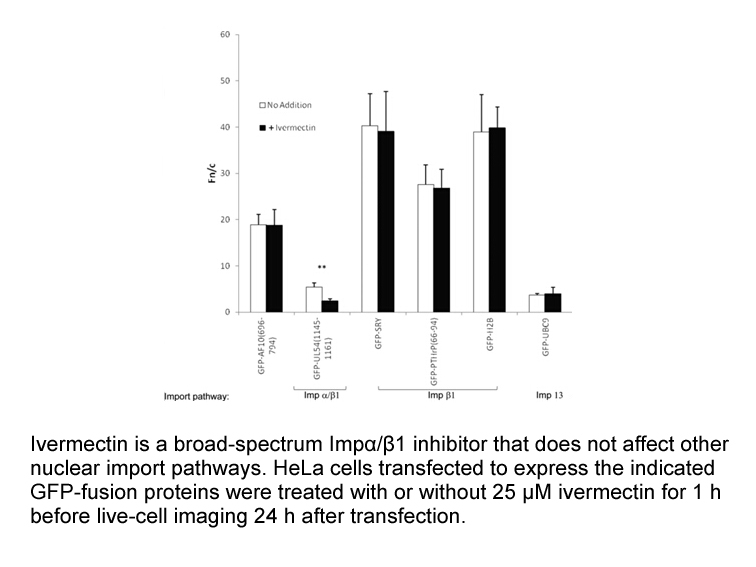
Altogether these data suggested that GlmU might be involved in the M. smegmatis biofilm mediated defence mechanisms. GlmU belongs to a metabolic pathway leading to UDP-GlcNAc from fructose-1-phosphate involved in the biosynthesis of peptidoglycan and lipopolysaccharide (Fig. 8). Recently, we demonst
-
The present study provides the first
2019-10-02
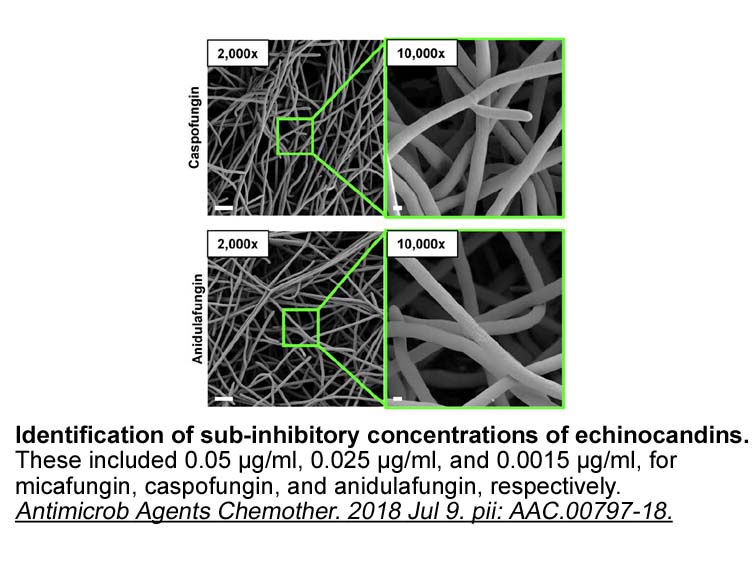
The present study provides the first evidence that the human uroepithelial BMS 299897 and in vitro respond directly, within 48h, to this carcinogen by promoting extensive vacuolation and DAPK expression. By using the TEM, ICC and Western blotting, we found that the arsenite-induced vacuoles were de
-
An important strength of our study is the use of
2019-10-02
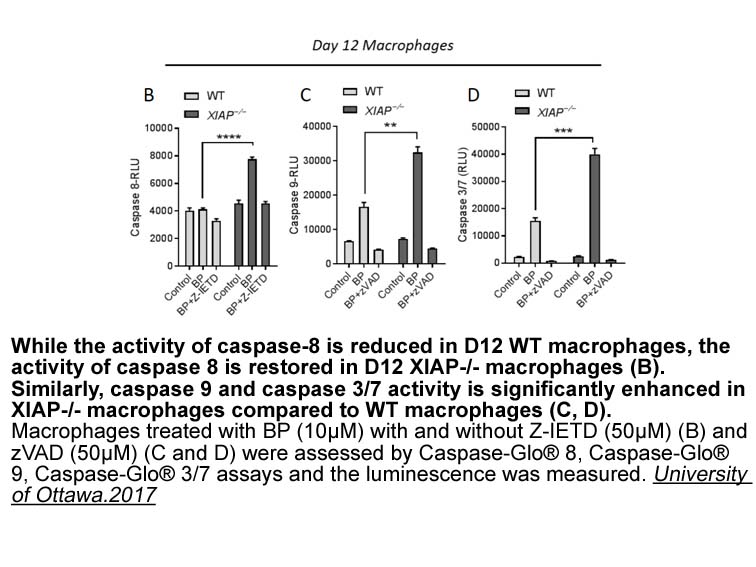
An important strength of our study is the use of an elastic net regression model to select the variable and construct the model, which performed ideally in terms of both predictive accuracy and sparsity for the high-dimensional datasets [16]. As a result, the apparent predictive effect of multiple c
-
In conclusion our data demonstrated
2019-10-02

In conclusion, our data demonstrated that montelukast and pranlukast non-competitively blocked P2Y signaling in several cell systems, but in a relatively nonsubtype-specific manner. The functional antagonism was especially evident at heterologously expressed P2Y1 and P2Y6 receptors, at which IC50 va
-
Finally the identification of predictive biomarkers of
2019-10-02
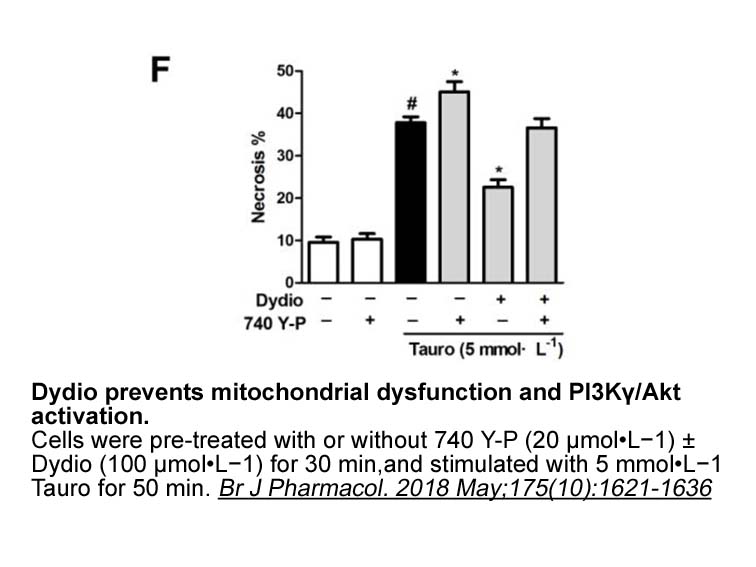
Finally, the identification of predictive biomarkers of response will also allow the more recently discovered CDK inhibitors to be explored in particular genetically-defined contexts, for example by building on recent observations that KRAS mutant tumors are highly sensitive to CDK1 inhibition, and
-
br Discussion Our data demonstrate that the bicyclam AMD str
2019-10-02
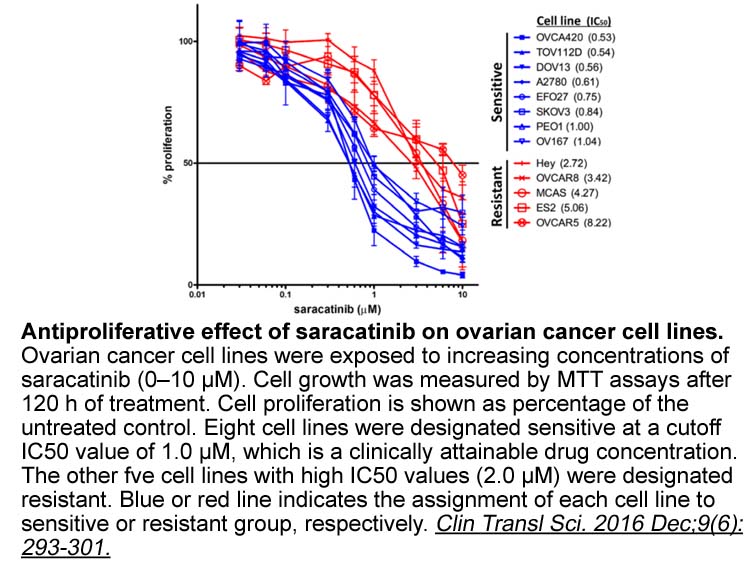
Discussion Our data demonstrate that the bicyclam AMD3100 strongly interacts with CXCR-4, whereas DS and AR177, two other compounds that also interfere with virus entry into the Linezolid (and interfere with virus binding), do not. AMD3100 is a unique compound in that it interferes with the chem
-
br Results and Discussion br Conclusion What
2019-10-02
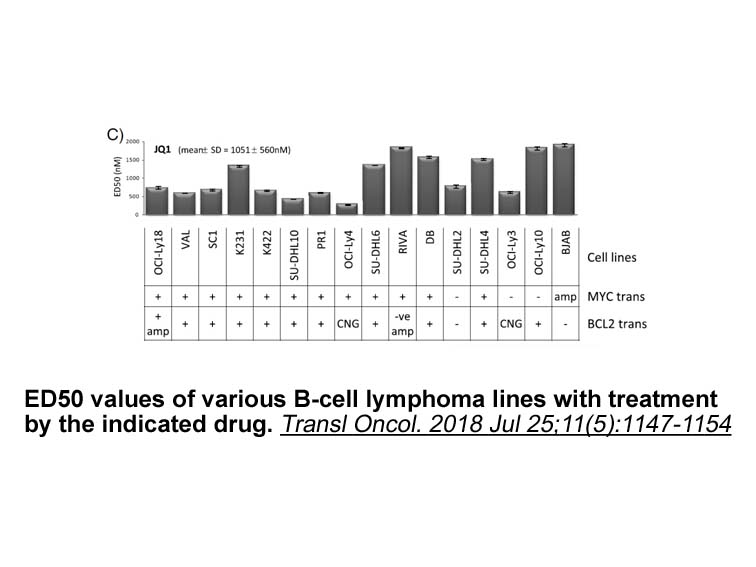
Results and Discussion Conclusion What we have shown here is that highly specific antagonist can be a very useful tool, can mimic gene KO experiments or even further dissect receptor function. We just took ETA antagonist as an example and found that ETA mediates physiological closure of DA whi
16392 records 1001/1093 page Previous Next First page 上5页 10011002100310041005 下5页 Last page