Archives
- 2026-08
- 2026-07
- 2026-06
- 2026-05
- 2026-04
- 2026-03
- 2026-02
- 2026-01
- 2025-12
- 2025-11
- 2025-10
- 2025-09
- 2025-03
- 2025-02
- 2025-01
- 2024-12
- 2024-11
- 2024-10
- 2024-09
- 2024-08
- 2024-07
- 2024-06
- 2024-05
- 2024-04
- 2024-03
- 2024-02
- 2024-01
- 2023-12
- 2023-11
- 2023-10
- 2023-09
- 2023-08
- 2023-07
- 2023-06
- 2023-05
- 2023-04
- 2023-03
- 2023-02
- 2023-01
- 2022-12
- 2022-11
- 2022-10
- 2022-09
- 2022-08
- 2022-07
- 2022-06
- 2022-05
- 2022-04
- 2022-03
- 2022-02
- 2022-01
- 2021-12
- 2021-11
- 2021-10
- 2021-09
- 2021-08
- 2021-07
- 2021-06
- 2021-05
- 2021-04
- 2021-03
- 2021-02
- 2021-01
- 2020-12
- 2020-11
- 2020-10
- 2020-09
- 2020-08
- 2020-07
- 2020-06
- 2020-05
- 2020-04
- 2020-03
- 2020-02
- 2020-01
- 2019-12
- 2019-11
- 2019-10
- 2019-09
- 2019-08
- 2019-07
- 2019-06
- 2019-05
- 2019-04
- 2018-07
-
Ferrostatin-1: Precision Inhibition of Ferroptosis in Adv...
2025-09-28
Explore how Ferrostatin-1 (Fer-1), a selective ferroptosis inhibitor, enables precise control of iron-dependent oxidative cell death in research. This article unveils unique insights into mechanistic applications, advanced disease modeling, and translational research opportunities.
-
ABT-263 (Navitoclax): Precision Targeting of Apoptosis vi...
2025-09-27
Explore how ABT-263 (Navitoclax), a potent Bcl-2 family inhibitor, enables nuanced, mechanistically informed apoptosis research. This article uniquely integrates advanced insights into mitochondrial signaling, RNA Pol II-dependent cell death, and resistance profiling for cancer biology.
-
Aprotinin in Translational Hemodynamics: Mechanistic Insi...
2025-09-26
Explore the multifaceted role of aprotinin, a potent serine protease inhibitor, in translational hemodynamics, with novel insights into red blood cell membrane biomechanics and advanced surgical blood management. Discover how bovine pancreatic trypsin inhibitor drives innovation in cardiovascular disease research.
-
Torin2: Unlocking Selective mTOR Inhibition for Precision...
2025-09-25
Explore Torin2, a potent mTOR inhibitor, in the context of emerging apoptosis signaling and mitochondrial pathways in cancer research. This article offers a unique, in-depth analysis of Torin2’s role in dissecting regulated cell death, advancing beyond conventional PI3K/Akt/mTOR pathway insights.
-
Cyclopamine: Advanced Insights into Hedgehog Pathway Inhi...
2025-09-24
Explore Cyclopamine as a potent Hedgehog signaling inhibitor and Smoothened receptor antagonist, with a focus on its mechanistic depth, unique applications in cancer research, and emerging insights from comparative developmental models. This article offers advanced scientific analysis and practical considerations beyond conventional reviews.
-
Phenacetin in Advanced Intestinal Organoid Pharmacokinetics
2025-09-23
Explore the application of phenacetin, a non-opioid analgesic, in cutting-edge pharmacokinetic studies utilizing hiPSC-derived intestinal organoids. This article examines solubility, biotransformation, and model selection challenges for scientific research use.
-
br Parkinson s Disease and the immune system Parkinson s
2025-03-03
Parkinson’s Disease and the immune system Parkinson’s Disease (PD) is the second most common neurodegenerative disorder, after Alzheimer’s, which affects 10 million people globally and is characterized by rigidity, bradykinesia, tremors, and gait instability (O’sullivan et al., 2007). The patholo
-
Though we have proved that VA could suppress hepatic
2025-03-03
Though, we have proved that VA could suppress hepatic gluconeogenesis, the mechanisms of VA on gluconeogenesis in vivo and in vitro remain unclear. AMP-activated protein kinase (AMPK), which is called an energy receptor enzyme, is widely expressed in liver and other tissues [23]. AMPK has become ano
-
br Conclusions The following are the supplementary data rela
2025-03-03
Conclusions The following are the supplementary data related to this article. Author contributions Conflict of interest Funding sources This work was supported by the Canadian Institutes of Health Research [grant: MOP-79470]. Introduction Sperm cells undergo a number of physical and
-
Very recently Niessen et al have described
2025-03-03
Very recently, Niessen et al. have described the resensitizing effect of MB327 on nAChR performing solid-supported membrane (SSM)-based electrophysiological experiments (Niessen et al., 2016) using plasma membrane preparations obtained from Torpedo californica. These findings validated and underline
-
2-deoxy-d-ribose br Concluding remarks Autophagy ensures cel
2025-03-03
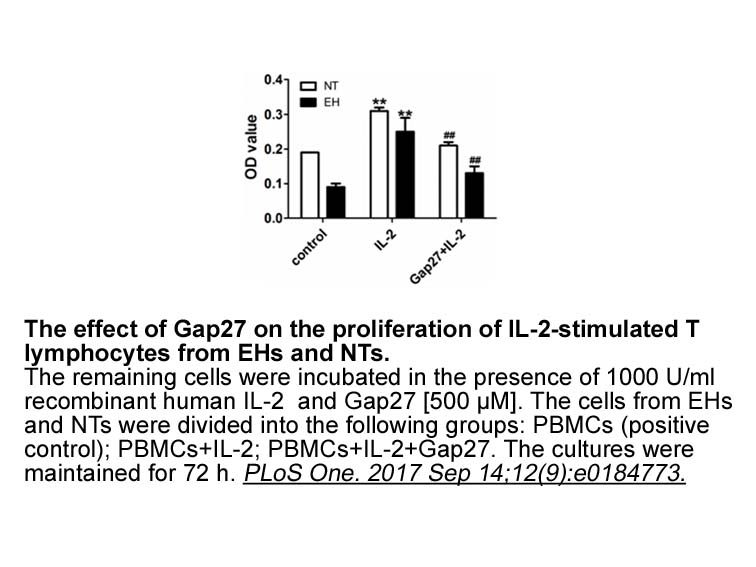
Concluding remarks Autophagy ensures cell homeostasis and survival through the continuous degradation/recycling of intracellular components. It can also represent a conserved, cell-intrinsic, defense mechanism against invading pathogens, including viruses. The autophagy process can be activated r
-
The analysis of the profile of protein phosphorylation in
2025-03-01
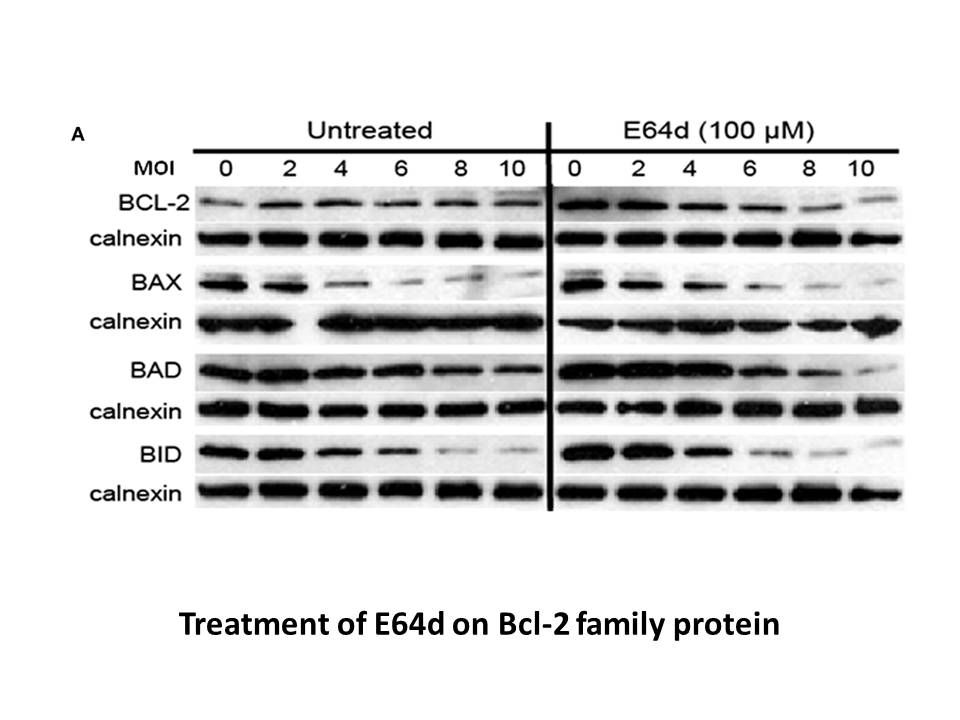
The analysis of the profile of protein phosphorylation in MMS-treated palovarotene confirmed that both the ATM and ATR pathways were activated in S-phase blocked cells. Interestingly, phosphorylation of Chk1 was observed 24h after MMS-treatment both in AT- and ATM-inhibited cells, whilst in the abs
-
Transient transfection with ATR kinase dead D A and
2025-03-01
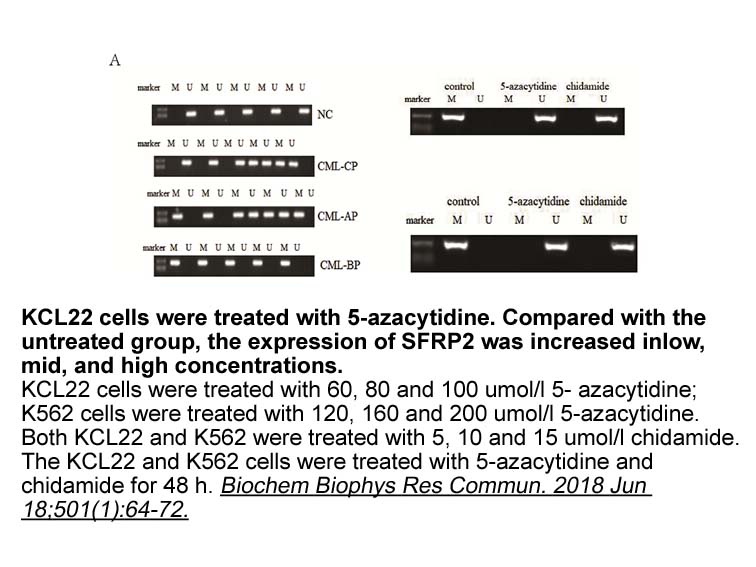
Transient transfection with ATR kinase-dead (D2475→A) [30] and ATM kinase-dead (D2870→Ala and N2875→K) [31] constructs was performed using Fugene 6 (Roche Applied Science, Indianapolis). Three microliters of fugene 6+1μg plasmid was used in transfections using 6-well plates at 2×10⁵ cells/well and a
-
Non steroidal anti inflammatory drugs which include aspirin
2025-03-01
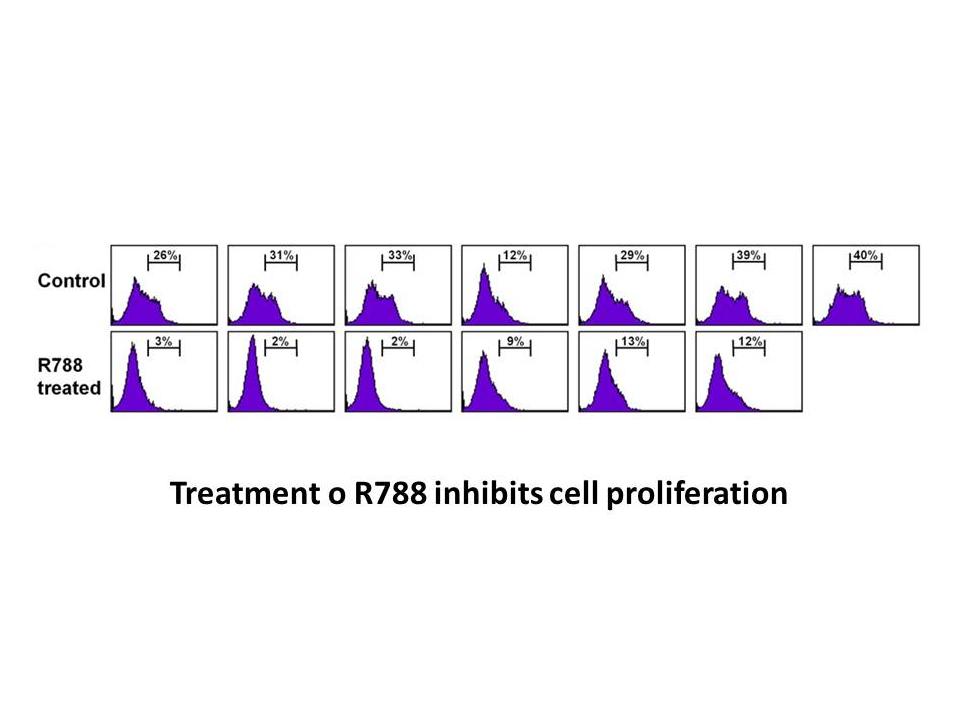
Non-steroidal anti-inflammatory drugs, which include aspirin and ibuprofen, target COX-2 activity to inhibit inflammation. It has been shown that daily use of a nonsteroidal anti-inflammatory drugs is associated with reduced ER-positive breast cancer recurrence in obese and overweight women. More pr
-
br APJ expression in metabolic diseases Under
2025-03-01
APJ expression in metabolic diseases Under physiological conditions, APJ is present in humans as well as in mouse tissues with high metabolic activity such as muscle and adipose tissue but not in the liver. Moreover, the presence and regulation of APJ in established adipocyte or muscle cell lines
16509 records 33/1101 page Previous Next First page 上5页 3132333435 下5页 Last page