Archives
- 2026-06
- 2026-05
- 2026-04
- 2026-03
- 2026-02
- 2026-01
- 2025-12
- 2025-11
- 2025-10
- 2025-09
- 2025-03
- 2025-02
- 2025-01
- 2024-12
- 2024-11
- 2024-10
- 2024-09
- 2024-08
- 2024-07
- 2024-06
- 2024-05
- 2024-04
- 2024-03
- 2024-02
- 2024-01
- 2023-12
- 2023-11
- 2023-10
- 2023-09
- 2023-08
- 2023-07
- 2023-06
- 2023-05
- 2023-04
- 2023-03
- 2023-02
- 2023-01
- 2022-12
- 2022-11
- 2022-10
- 2022-09
- 2022-08
- 2022-07
- 2022-06
- 2022-05
- 2022-04
- 2022-03
- 2022-02
- 2022-01
- 2021-12
- 2021-11
- 2021-10
- 2021-09
- 2021-08
- 2021-07
- 2021-06
- 2021-05
- 2021-04
- 2021-03
- 2021-02
- 2021-01
- 2020-12
- 2020-11
- 2020-10
- 2020-09
- 2020-08
- 2020-07
- 2020-06
- 2020-05
- 2020-04
- 2020-03
- 2020-02
- 2020-01
- 2019-12
- 2019-11
- 2019-10
- 2019-09
- 2019-08
- 2019-07
- 2019-06
- 2019-05
- 2019-04
- 2018-07
-
Taurine The knowledge that piroxicam competes with ligands t
2021-11-16

The knowledge that piroxicam competes with ligands that bind to FPR may be of importance for a deeper understanding of the anti-inflammatory effects possessed by this NSAIDs. It has recently been reported that not only phagocytes but also platelets express FPR on their cell surface and that these re
-
br Introduction More than structurally different isoprenoids
2021-11-16
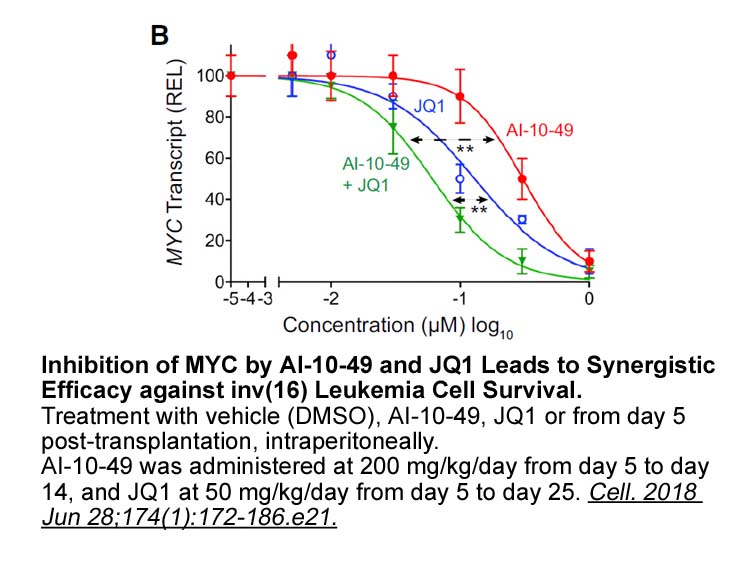
Introduction More than 30,000 structurally different isoprenoids, such as steroids, carotenoids, prenyl side-chain of quinones, prenyl proteins, and natural rubber, exist in nature. In a biosynthetic pathway, linear prenyl diphosphates are common structures as a precursor of isoprenoids, as shown
-
Trifluoromethyl ketones and fluorophosphates were the
2021-11-16
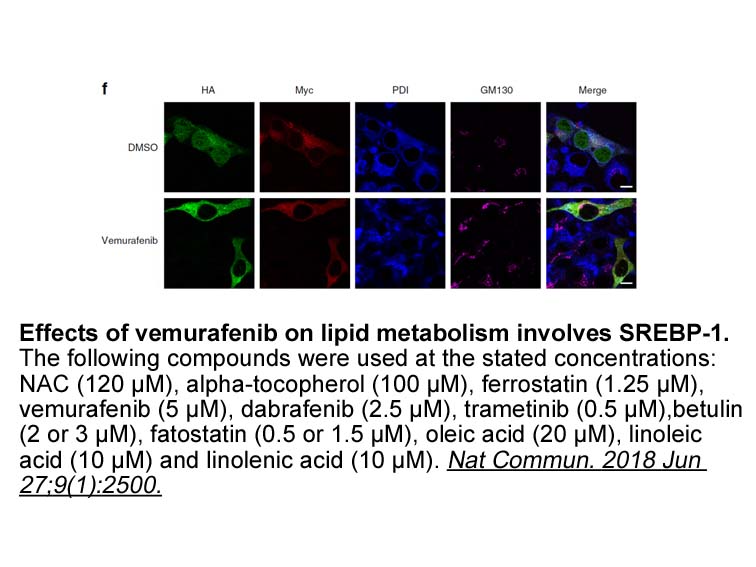
Trifluoromethyl ketones and fluorophosphates were the first generation FAAH inhibitors identified. They showed good in vitro FAAH inhibition potency, but most of them exhibited poor selectivity for FAAH over other serine hydrolases (such as the triacylglycerol hydrolase and the membrane-associated h
-
In studies described earlier IRL
2021-11-16
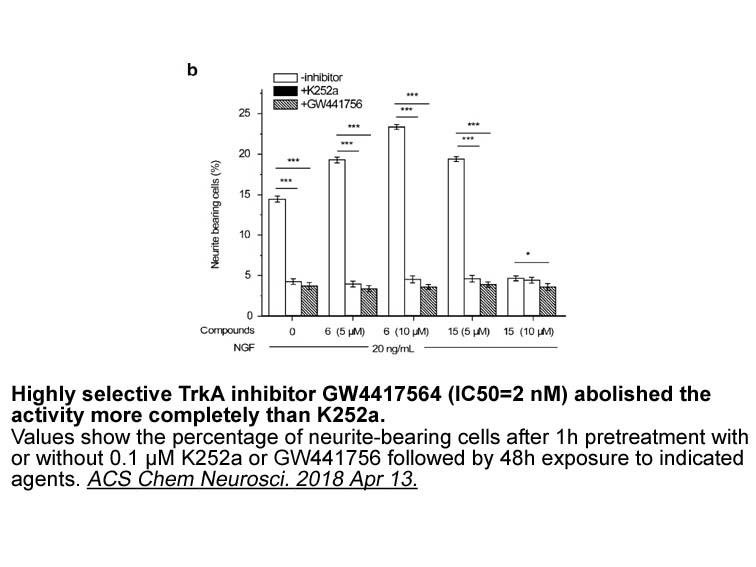
In studies described earlier, IRL-1620 was administered intravenously; however, because of its short half-life (Rubin and Levin, 1994) (about 7–8min), the dosing had to be repeated three times. Also, a dose-dependent hypotension was observed with repeated doses of IRL-1620 in rats (Leonard and Gulat
-
The importance of the histone chaperone function of Hat p
2021-11-16
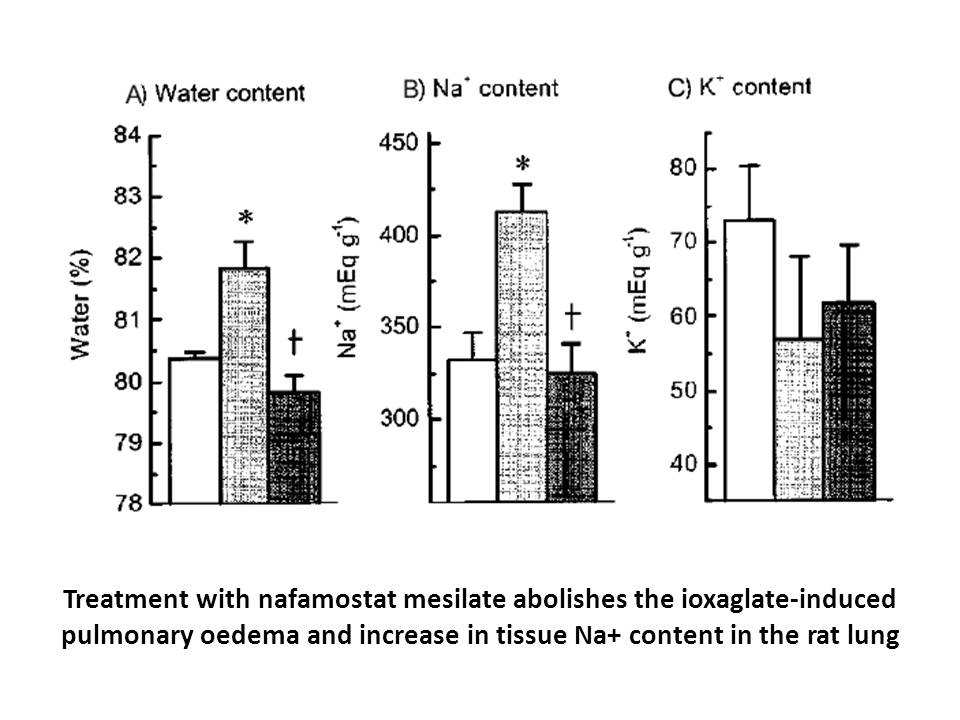
The importance of the histone chaperone function of Hat1p was highlighted by the recent demonstration that the catalytic activity of Hat1p is not sufficient for its function in vivo. Fusion of a nuclear export signal (NES) to yeast Hat1p effectively excluded the enzyme from the nucleus, with a conco
-
PF-04449913 sale br Conflicts of interest br Significance p
2021-11-16
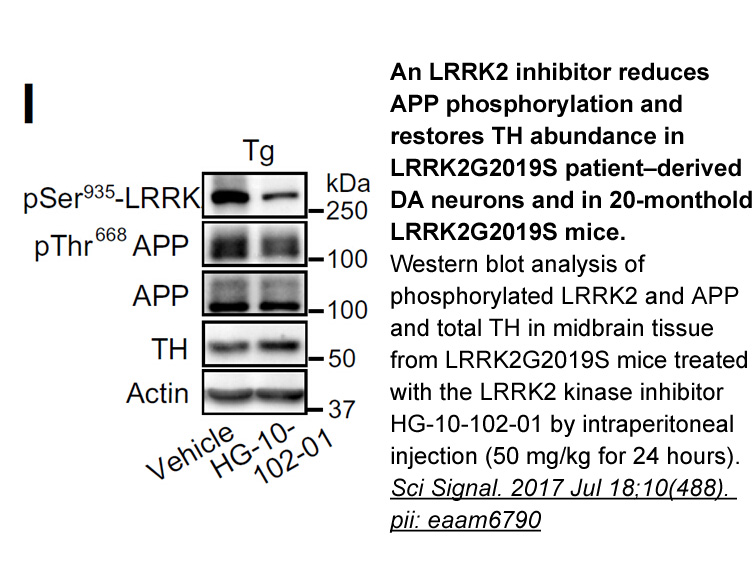
Conflicts of interest Significance p53 is required for the induction of cell senescence to limit the proliferation of polyploid cells. We found that Hippo signal deficiency or Yap activation in mouse livers result in polyploid formation and polyploid cell growth. The combined loss of Hippo sig
-
br Introduction Hexokinase HK is an enzyme that
2021-11-16
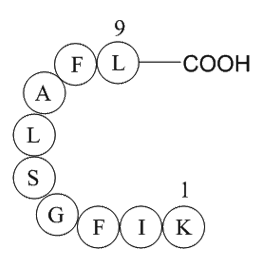
Introduction Hexokinase (HK) is an enzyme that catalyses the transfer of phosphate from ATP to glucose in the first step of glucose metabolism (Wilson, 1995, Wilson, 2003). In mammalian, HK has four important isozymes which are designated as HK1, HK2, HK3 and HK4 (Wilson, 1995, Wilson, 2003). HK1
-
More recently several groups have characterized a role for G
2021-11-15
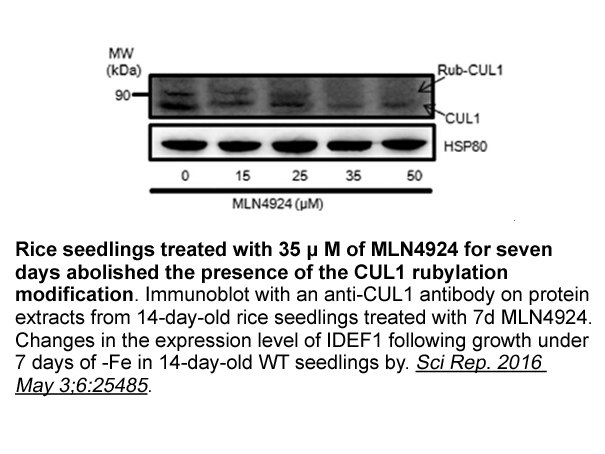
More recently, several groups have characterized a role for GPR120 signaling via omega-3 fatty acids in amelioration of alcoholic hepatic injury and non-alcoholic fatty liver disease (NAFLD) [18], [19]. Nakamoto et al. demonstrated protective effects of the omega-3 fatty Tacrolimus docosahexaenoic
-
br Summary br Acknowledgement br GR A
2021-11-15
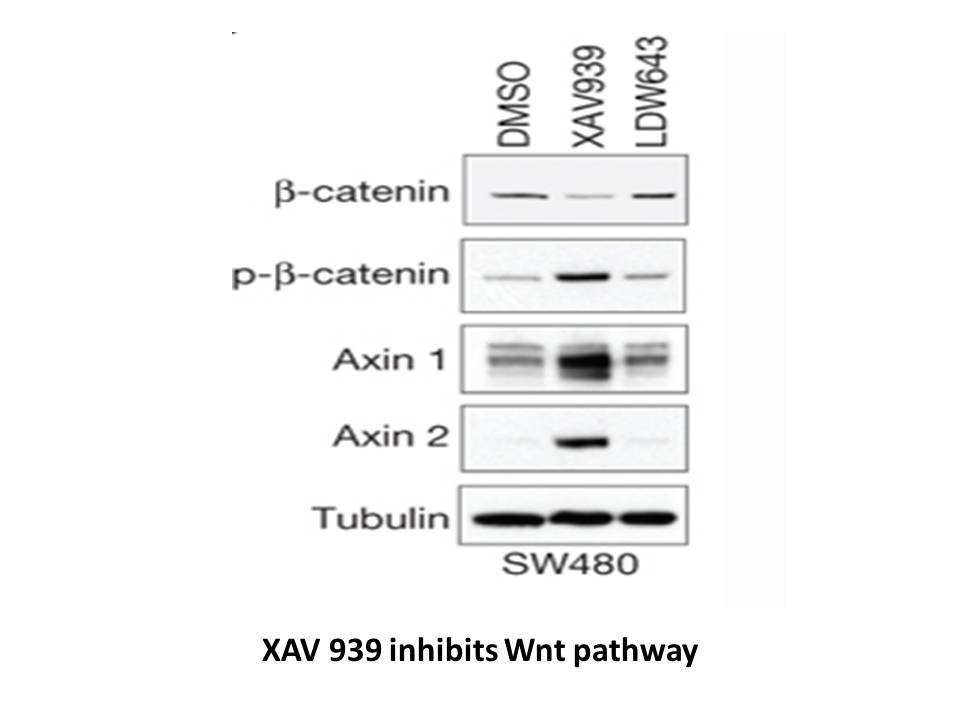
Summary Acknowledgement GR: A Nuclear Receptor with Widespread Physiological Impact GR, or NR3C1 (see Glossary), is a transcription factor (TF) that regulates gene expression in nearly every cell of the body. A member of the nuclear receptor (NR) superfamily, its ligand-binding domain confe
-
br Introduction Nasopharyngeal carcinoma NPC is a head and
2021-11-15
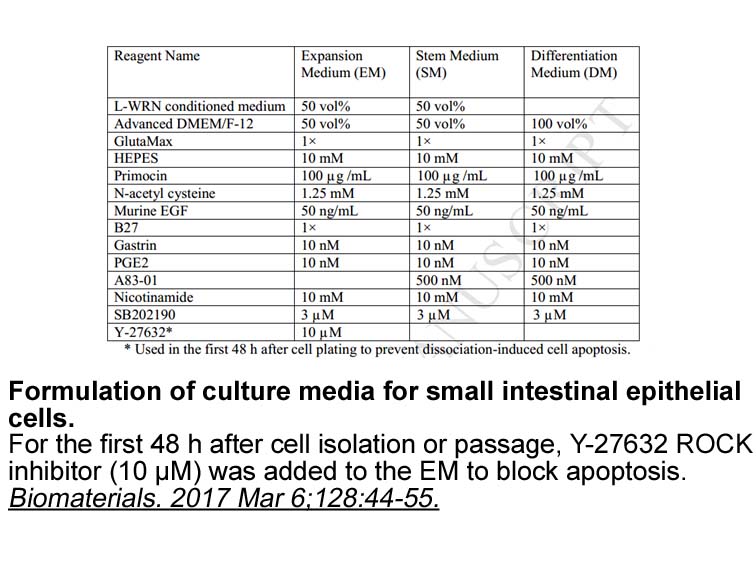
Introduction Nasopharyngeal carcinoma (NPC) is a head and neck epithelial malignancy with high prevalence in southern China, southeast Asia, and northern Africa [1,2]. NPC is caused by a combination of factors: infection with Epstein-Barr virus (EBV), environmental influences, and heredity [3]. A
-
Recently the toxicity of TBT
2021-11-15
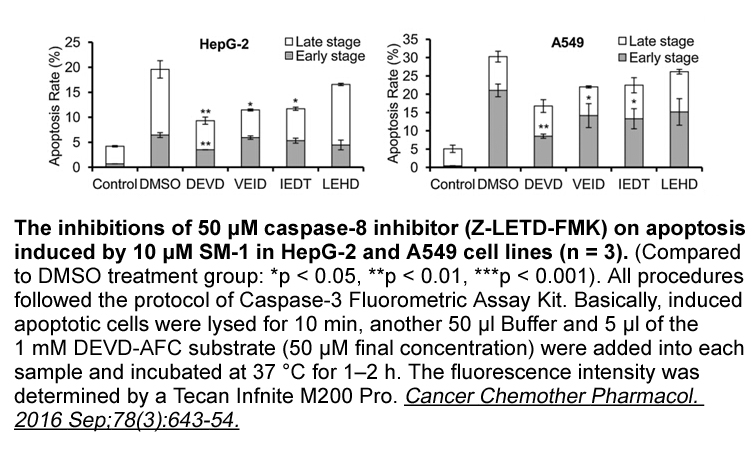
Recently, the toxicity of TBT was demonstrated at the vascular level in animal models (Nath, 2008), and the results obtained so far suggest that TBT may be a potential risk factor for cardiovascular diseases. TBT is capable to alter the coronary vascular reactivity to estradiol (dos Santos et al., 2
-
Epigenetic drugs such as HDAC inhibitors regulate gene
2021-11-15
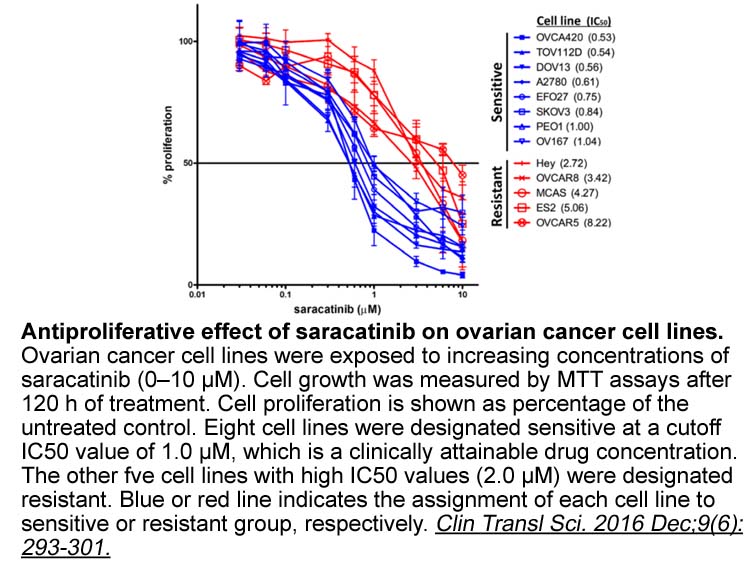
Epigenetic drugs, such as HDAC inhibitors, regulate gene expression by affecting the activity of histone or DNA modifying enzymes and their associated transcriptional response [141]. BET bromodomain protein inhibition is another epigenetic approach for blocking the Hedgehog pathway at the downstream
-
The Rab to Rab switch
2021-11-15
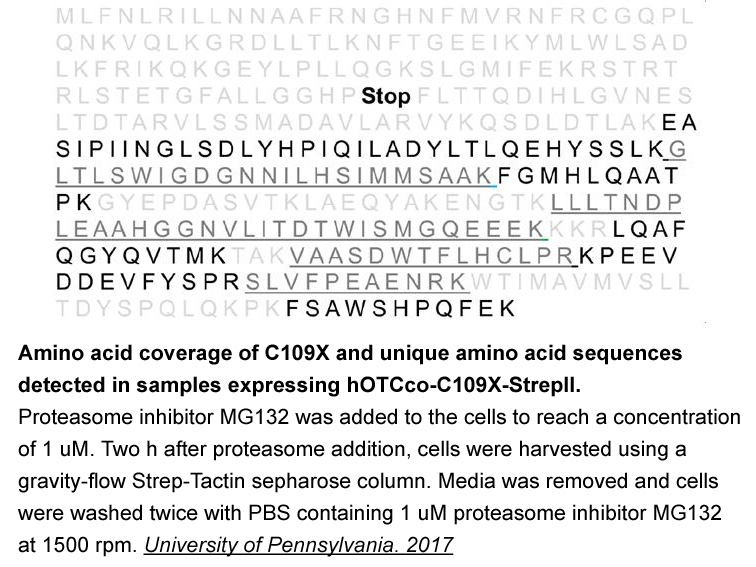
The Rab5 to Rab7 switch on endosomes co-occurs with the release of the Rab5 GEF Rabex5 from endosomes, which prevents further Rab5 activation [5]. In addition, the Rab5 GAP is recruited to inactivate remaining Rab5 [67]. Recent data suggest that another GAP, TBC1D5, which binds the retromer complex,
-
Anastrozole br Potential endogenous agonists of
2021-11-12
Potential endogenous agonists of GPR35 The first endogenously produced chemical that was shown to be able to activate GPR35 was the tryptophan metabolite kynurenic Anastrozole [8]. When human GPR35 was expressed along with a mixture of promiscuous and chimeric G proteins 9, 10 (Box 1) in CHO cell
-
The compounds described in this paper were prepared using
2021-11-12
The compounds described in this paper were prepared using a modular approach that allowed diversification of R or R at the final step (). Route A involved amide coupling of -butyl 4-(methylamino)piperidine-1-carboxylate with phenyl acetic acids (step a) using 4-(4,6-dimethoxy-1,3,5-triazin-2-yl)-4-m
16409 records 590/1094 page Previous Next First page 上5页 586587588589590 下5页 Last page